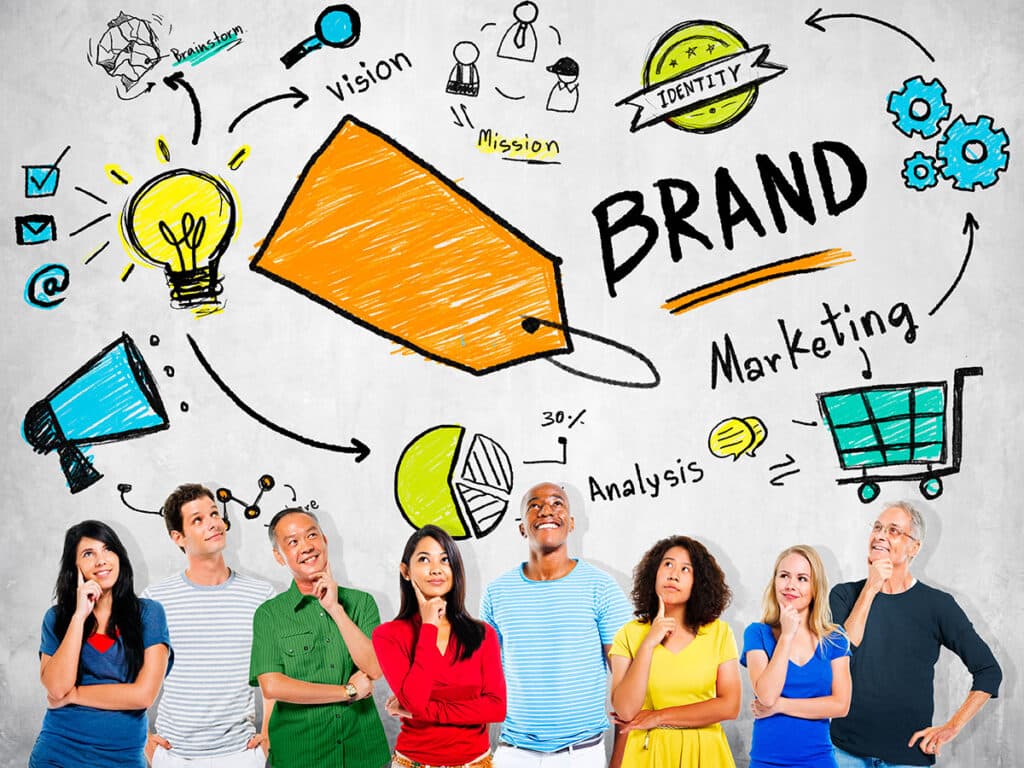
Every great brand we know today - Apple, Nike, Airbnb, Spotify - was once an ordinary brand. Their transformation wasn't an accident. It was the result of the right strategic decisions, consistent execution, and partnership with the right people.
Authentic brand transformation covers more than a visual identity update. It's a fundamental shift in how a brand is perceived - encompassing positioning, experience, narrative, and emotional connection with consumers.
When Does Your Brand Need Transformation?
- ●Market share has stagnated despite quality products or services
- ●Low brand recognition among a new target audience
- ●Inconsistent or confusing brand identity
- ●Visual and messaging that feel outdated
- ●A significantly changed business model
- ●A shifted target demographic
- ●Merger, acquisition, or strategic pivot
A 5-Phase Transformation Framework
- 1.Discovery & Diagnosis - comprehensive brand audit, market research, competitive analysis, and stakeholder interviews to understand current vs. desired perception
- 2.Strategy Development - build clear brand positioning, define architecture, personality, and promise that become the foundation of every execution
- 3.Creative Development - translate strategy into a compelling visual system: logo, typography, colour palette, imagery style, and complete brand guidelines
- 4.Implementation & Rollout - structured phased execution, production of all brand assets, and internal team training to maintain consistency
- 5.Activation & Optimisation - strategic launch campaign, performance monitoring, and continuous refinement based on market response
Case Study: F&B Brand Turnaround
Working on this?
Let's put it into practice for your brand.
A 20-year-old F&B company faced significant sales decline because of an 'old people's brand' perception. Through a transformation process with Omeoo, the brand was repositioned from traditional to 'authentically modern heritage' - honouring its legacy while staying relevant for a new generation.
The result: sales rose 34% in 12 months, the 18–35 consumer share climbed from 18% to 45%, and the brand earned a premium position that supported an average price increase of 12%.
Why Is an External Agency More Effective for Transformation?
- ●Objectivity - not bound by internal politics or 'how we've always done it'
- ●Expertise accumulated from hundreds of brand transformations
- ●Dedicated capacity without day-to-day operational distractions
- ●Fresh market perspective that's hard to maintain from the inside
- ●Accountability to measurable outcomes
“The best brand transformations happen when internal passion meets external clarity. You know your business - we know how to make the world see it the right way.”